
Illinois Eye Associates provides diabetic eye exams focused on early detection, ongoing monitoring, and personalized treatment planning. Our medically trained optometrists work closely with your primary care physician or endocrinologist to ensure your eyes are protected and that your vision is as clear as it can be. Whether you’re newly diagnosed or have been managing diabetes for years, our team is here to help you preserve your vision and prevent long-term complications.
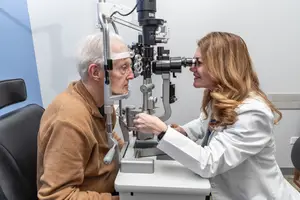
expert medical care
Diabetic Eye Care in Manhattan & Peotone
advanced diagnostics & care
Ongoing Eye Care for People Living with Diabetes
Manhattan
Illinois Eye Associates
(815) 478-9100
- monday:
- 9:00 am - 5:00 pm
- tuesday:
- 9:00 am - 7:00 pm
- wednesday:
- 1:00 pm - 6:00 pm
- thursday:
- 9:00 am - 5:00 pm
- friday:
- 9:00 am - 5:00 pm
- saturday:
- Closed
- sunday:
- Closed
Peotone
- monday:
- Closed
- tuesday:
- 9:00 am - 5:00 pm
- wednesday:
- 9:00 am - 5:00 pm
- thursday:
- 10:00 am - 7:00 pm
- friday:
- 10:00 am - 5:00 pm
- saturday:
- Closed
- sunday:
- Closed
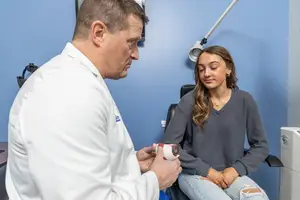
What We Assess in a Diabetic Eye Exam
A diabetic eye exam is a medical evaluation of the internal structures of your eyes. During your visit, our eye doctors will:
-
Examine the retina for signs of diabetic retinopathy
-
Monitor for glaucoma, macular edema, and other related conditions
-
Measure intraocular pressure
-
Use dilation and advanced imaging to assess blood vessel health and optic nerve changes
-
Track progression over time with digital retinal photography and OCT imaging
The importance of Annual diabetic Exams
Diabetes is one of the leading causes of preventable blindness in adults, but with consistent monitoring, most complications can be detected early and managed effectively.
Even if your vision feels stable, diabetic changes often begin silently. That’s why we recommend all diabetic patients receive a dilated eye exam every year, or more frequently if medically indicated.
Diagnostic Technology
We use digital eye exam technology at our Manhattan and Peotone eye clinics to support early detection and management of diabetic eye conditions.
Our tools include:
- OCT (Optical Coherence Tomography)
- Digital Retinal Photography
- Visual Field Testing
- Intraocular Pressure Measurement
Eye Conditions Related to Diabetes
Diabetes increases the risk for several severe eye diseases, many of which develop gradually and without noticeable symptoms in early stages. During your diabetic eye exam, we screen for:
Diabetic Retinopathy
Damage to the small blood vessels in the retina, which can lead to vision loss or blindness if left untreated. Early signs often go unnoticed without a thorough eye exam.
Diabetic Macular Edema (DME)
Macular swelling can cause blurred or distorted vision. DME is a common complication of diabetic retinopathy.
Glaucoma
People with diabetes are more likely to develop glaucoma, a condition that damages the optic nerve and progresses without vision changes.
Cataracts
Diabetes can accelerate cataract development, causing clouding of the eye’s natural lens and affecting clarity, especially in younger adults.
Collaborative Care with Your Medical Team
Our eye doctors routinely co-manage diabetic patients in partnership with PCPs, endocrinologists, and other specialists. We provide reports and updates, help manage eye-related complications, and support systemic health goals with evidence-based care.
Do I still need a diabetic eye exam if my vision is fine?
Yes. Many diabetic eye conditions begin with no noticeable symptoms. Regular eye exams help us detect changes before they impact your vision.
How long does a diabetic eye exam take?
Typically 30–45 minutes, depending on whether additional testing is needed. If we identify any concerns, we may schedule follow-up imaging or coordinate with your primary care provider.
How often should I have a diabetic eye exam if my blood sugar is controlled?
Even with stable A1C levels, diabetes still increases your risk for eye complications. Annual eye exams are the standard, but we may recommend more frequent visits based on your ocular health and other risk factors.
Book your Appointment
Care for Diabetic Patients
We provide diabetic eye care to patients in Manhattan, Peotone, and surrounding rural communities throughout Will County. With digital diagnostics, personalized education, and a medical model of care, our team is here to help protect your vision.